2026 Security Guard Technology | Rhode Island | SecurityRI
Security guard services have changed a lot over the past few years. If you’re looking at security companies in Rhode Island right now, the technology they’re using (or not using) tells you everything you need to know about whether they can actually protect your property.
Rhode Island’s new data breach notification laws that went into effect in 2025 make this even more important. Businesses across Providence, Warwick, and Cranston need security that handles both physical protection and digital compliance. Guards with clipboards doing rounds every few hours? That doesn’t cut it anymore. Real security in 2026 means real-time monitoring, AI threat detection, and instant response when something happens.
This guide covers the security technology you should expect in 2026, what separates professional companies from outdated ones, and how these tools actually help Rhode Island businesses deal with today’s security problems.

Real-Time Digital Reporting Systems
Why This Matters for RI Businesses
Old school security guard services used paper logs that got filled out after shifts ended. By the time you saw a report, whatever happened was already hours or days old. Real-time digital reporting changes everything.
Security guards now use mobile apps or tablets that log every checkpoint scan, incident, and observation the second it happens. You can see what’s going on at your property right now, not tomorrow morning. If you’re a Rhode Island business with multiple locations (retail stores across Warwick and Cranston, construction sites around Providence), this kind of visibility matters.
Real-time reporting also helps with compliance. A lot of RI businesses need to document when security checked specific areas or responded to alerts. Digital systems give you timestamped, auditable records. Paper logs can’t do that.
Key Features to Look For
GPS-Verified Checkpoints: Guards scan QR codes or NFC tags at designated spots throughout your property. The system records the exact time and GPS coordinates, so you know guards actually did their rounds. No more faking the logbook.
Incident Photo Documentation: When guards see problems (vandalism, suspicious people, safety hazards), they take photos right in the app. You get those images within minutes, not at the end of a shift when everyone’s memory is fuzzy.
Client Portal Access: Property managers and business owners can log into web dashboards to see all guard activity. Filter by date, location, incident type, whatever you need. Export reports for insurance claims or regulatory stuff.
Automated Alert Notifications: Set up the system to text or email you right away when specific things happen. Gates left open, unauthorized vehicles, anything that needs immediate attention.
AI-Powered Surveillance Integration
The Technology Behind Modern Security
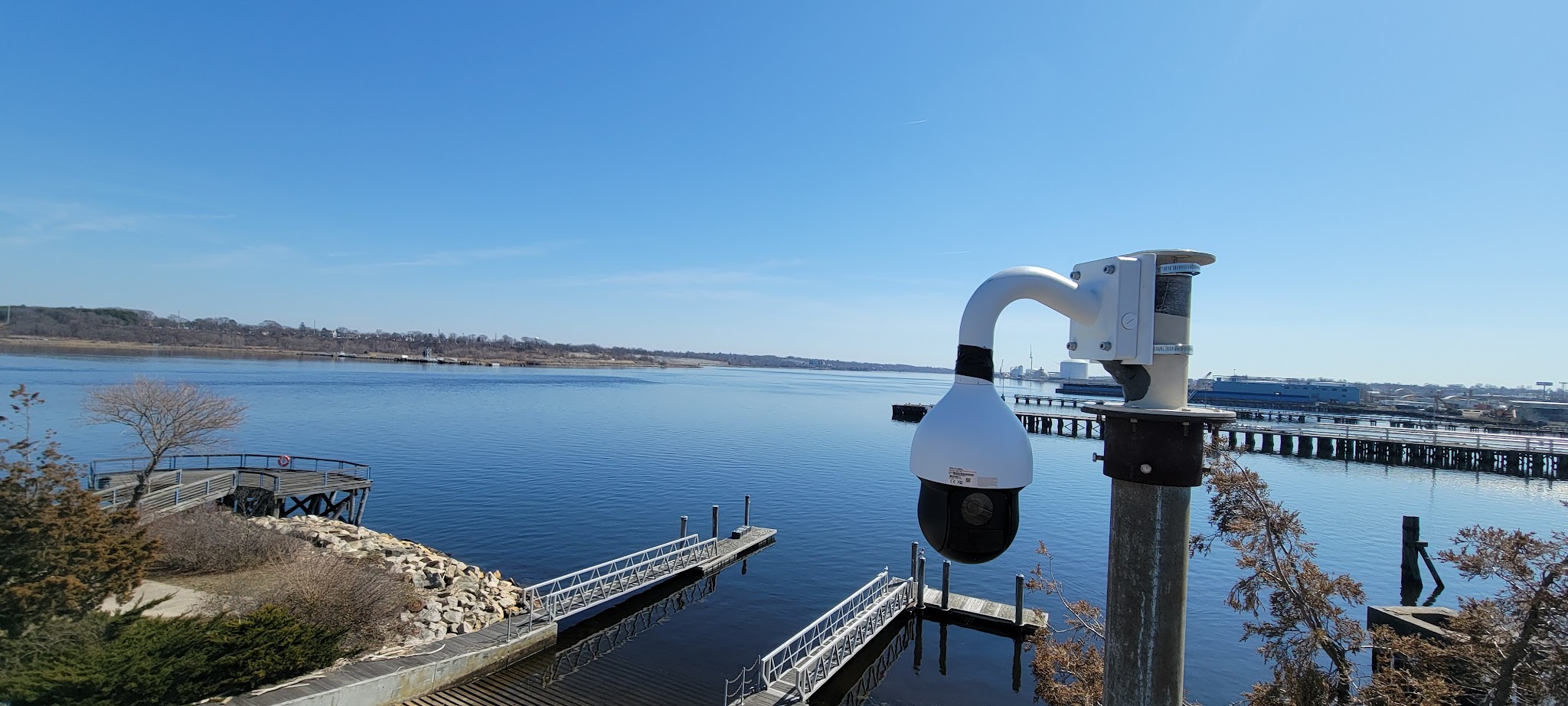
AI has moved from experimental tech to standard practice in 2026. AI surveillance systems watch video feeds in real-time and spot patterns or weird behavior that human monitors might miss. This doesn’t replace security guards. It makes them way more effective.
For Rhode Island businesses (especially downtown Providence or warehouses along Route 2), AI surveillance gives you 24/7 coverage that never gets tired or distracted. The technology is really good at catching unusual stuff: someone hanging around entry points too long, vehicles circling the parking lot multiple times, people trying to get in during closed hours.
How Guards Use AI Data
Here’s what this actually looks like. AI cameras are watching your Providence office building overnight. The system picks up someone trying to access a restricted door at 2 AM. Instead of waiting for a guard to notice on their next patrol, the AI alerts the mobile security guard immediately. The guard pulls up the camera feed on their phone, confirms it’s a problem, and gets there within minutes.
This works really well for big Rhode Island properties like distribution centers in Cranston, college campuses like URI, or healthcare facilities like Rhode Island Hospital. Security can’t physically be everywhere at once, but AI surveillance extends their coverage across the whole property.
Facial Recognition and Access Control
Advanced systems now use facial recognition tied to access control. When someone walks into your building, the system checks their face against the database of authorized people. Unknown faces trigger an instant alert to guards.
If you’re worried about insider threats (which is becoming a bigger issue), this technology creates accountability. You know exactly who went into specific areas and when. That deters problems and gives you evidence if something does happen.
Mobile Patrol Tracking and Optimization
Modern Mobile Security Patrols
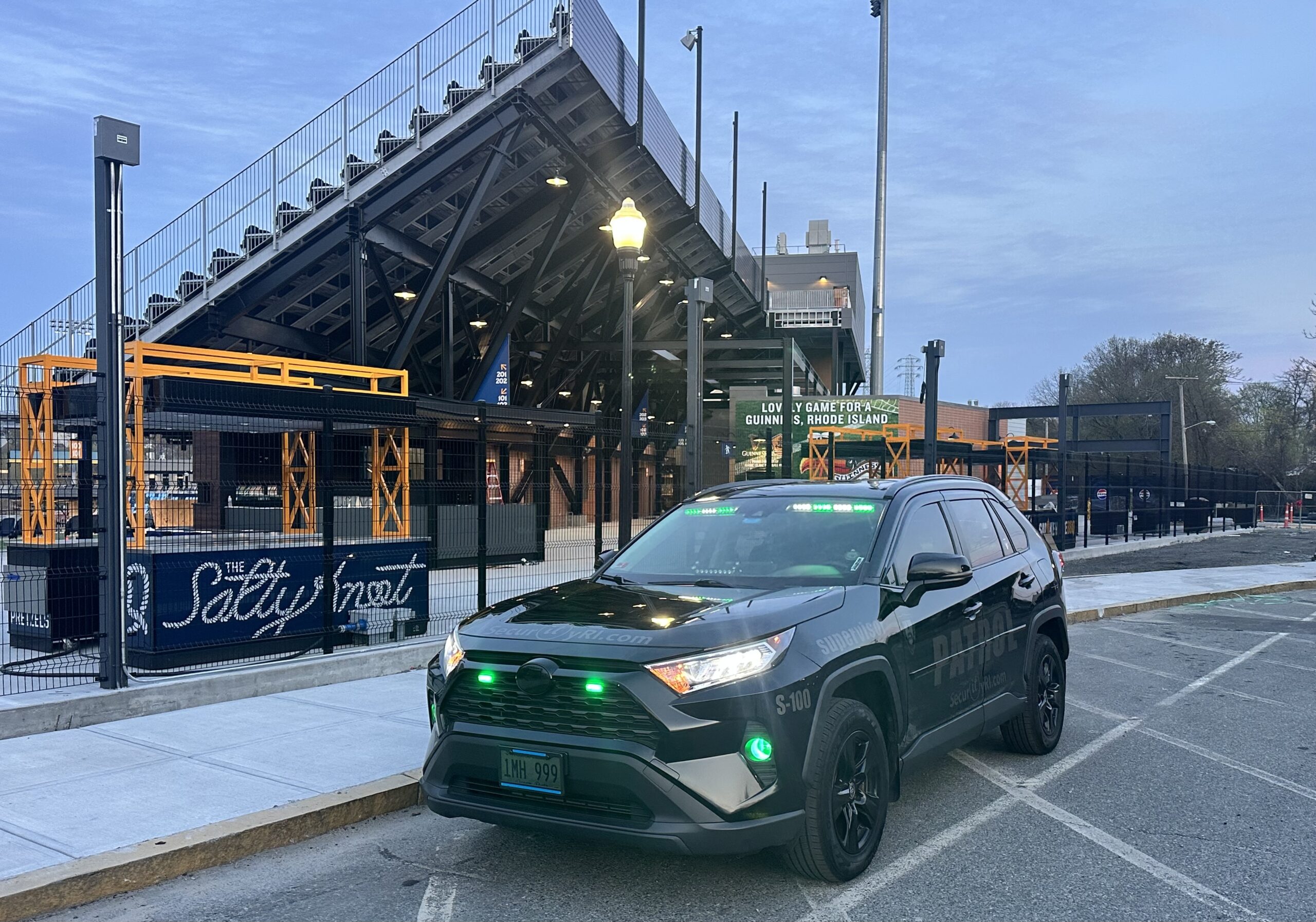
Mobile security patrols aren’t just guards driving around on a schedule anymore. Modern systems use GPS tracking, geofencing, and route optimization software to cover more ground and respond faster.
Rhode Island’s size actually makes mobile patrols really effective here. You can drive from Providence to Newport in under an hour. Professional security companies can cover multiple sites efficiently. But only if they’re using technology to coordinate those patrols smartly.
Real-Time GPS Monitoring
Every mobile patrol vehicle has GPS tracking that you can see through web portals. You know exactly where patrol units are right now, where they’ve been, and how long they spent at each stop. For businesses with construction sites across Rhode Island (Pawtucket redevelopment areas, Providence waterfront projects), this visibility proves you’re getting what you pay for.
The system also helps with fast response. If an alarm goes off at your Warwick retail location, the platform finds the closest mobile patrol unit and sends them. Response times drop from 15-20 minutes down to 5-7 minutes in a lot of cases.
Predictive Patrol Routing
Better mobile patrol systems look at historical data to optimize routes. If your property has more security problems between 11 PM and 2 AM, the system schedules extra patrols during those hours. If certain areas (loading docks, parking lot corners, construction equipment) keep having issues, patrols hit those spots more often.
This data-driven approach works way better than traditional patrols that treat all times and locations the same.
Integration with Cybersecurity Systems
Physical and Digital Security Convergence
Rhode Island’s updated data breach notification laws have forced businesses to think about security differently. Physical security and cybersecurity can’t be separate anymore. Modern security guard technology reflects this.
Professional security companies now work with IT departments and cybersecurity firms. Security guards don’t just watch physical doors anymore. They monitor server room access, data center environmental controls, and network infrastructure. When RI’s new law requires businesses (especially financial services) to have written security programs, physical security is part of that.
Rhode Island Senate Bill 603: Financial institutions must now conduct vulnerability scans twice yearly and penetration testing annually. Physical security plays a direct role in compliance documentation.
Access Control and Network Security
Take a Providence financial institution that has to follow Rhode Island Senate Bill 603. They need vulnerability scans twice a year and penetration testing annually. Physical security plays a direct role now. Guards verify that only authorized people can access server rooms during security audits. Security cameras provide records that can’t be tampered with showing who went into sensitive areas. Access logs connect with digital security systems to create complete audit trails.
This matters for any Rhode Island business storing sensitive data. Healthcare providers with patient records. Legal firms with confidential documents. Retailers processing payments. Modern security guard services understand these digital security contexts and work within them.
Communication and Coordination Technology
Instant Guard-to-Guard Communication
Modern security operations use encrypted communication platforms that keep entire guard teams connected. When one guard spots a security threat, every guard on your property knows about it immediately. This coordination is critical for big Rhode Island facilities like hospital campuses, university grounds, or corporate office parks.
Radio systems have gotten better too. Digital encrypted radios prevent interference and eavesdropping. Built-in GPS helps supervisors coordinate responses across properties. Some security companies now use secure messaging apps with video calling, so guards can share live footage with supervisors or clients during incidents.
Client Communication Portals
Professional security companies give you dedicated ways to communicate. Beyond seeing reports in dashboards, you can message guards directly through apps, request specific security checks, or report concerns in real-time. If you’re a property manager with multiple Rhode Island locations, this centralized communication beats calling individual guard posts or waiting for shift reports.
Emergency notification systems also connect security with local Rhode Island law enforcement. When situations need police (common in retail security for theft or trespassing), integrated systems can automatically notify Providence Police, Warwick Police, or whoever’s relevant. They get location data and incident details right away.
What This Means for Rhode Island Businesses
Evaluating Security Companies
When you’re comparing security guard companies in Rhode Island, ask specific questions about technology.
What real-time reporting system do they use? Can they show you their platform right now? If they can’t demonstrate their technology on the spot, that’s a red flag.
How do their guards document incidents, and how fast do you get those reports? If the answer involves paper logs at the end of shifts, their technology is outdated.
Do they work with your existing security cameras or access control systems? Professional companies design technology to fit with what you already have, not force you to replace everything.
What GPS tracking do they provide for mobile patrols? Can they show you current locations and patrol histories right now?
How do they handle communication during emergencies? Modern companies should have multiple backup communication channels (apps, radios, phones) so you can always reach guards when you need to.
Technology Doesn’t Replace Human Judgment
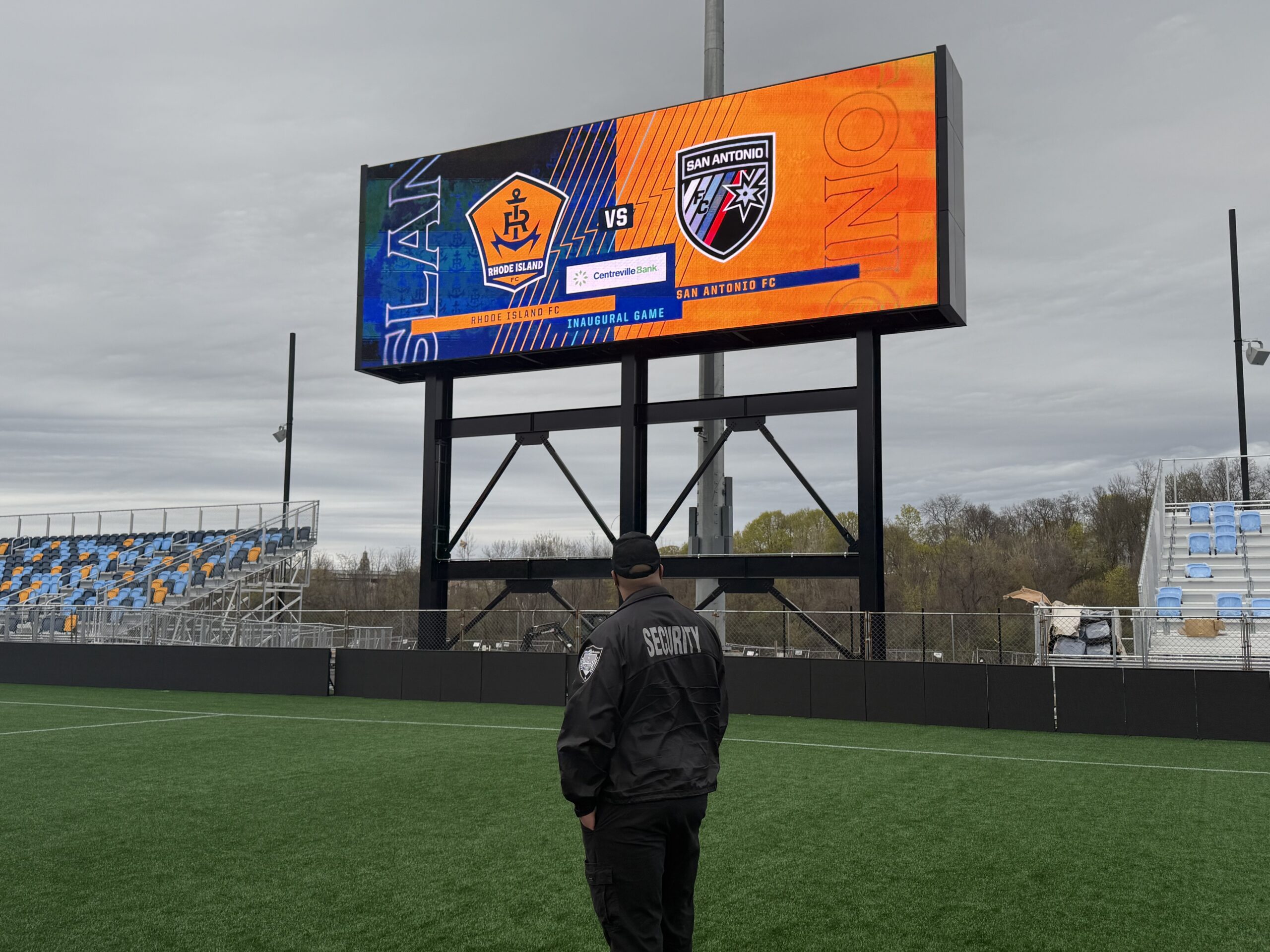
Here’s something important. The best security guard technology makes human guards better. It doesn’t replace them. AI surveillance spots potential threats, but experienced guards look at context and decide how to respond. Real-time reporting systems document everything, but guards make judgment calls about handling situations.
Rhode Island businesses get the most value from security companies that balance good technology with well-trained, locally knowledgeable security people. Someone who knows Providence neighborhoods, recognizes what looks normal at Warwick retail centers, or understands how to handle situations at Newport event venues brings value that technology alone can’t provide.
Cost Considerations
Modern security technology doesn’t cost dramatically more than traditional services. In a lot of cases, it’s actually more cost-effective. Digital systems cut administrative work. GPS verification eliminates billing disputes. Better efficiency means you need fewer guard hours for better coverage.
If you’re already spending money on security services in Rhode Island, the question isn’t whether to pay more for technology. It’s whether to accept outdated service when modern alternatives cost about the same. Security incidents can cost thousands in losses, damage, or liability. Add in the new regulatory penalties for compliance failures, and the technology investment pays for itself fast.
The Future: What’s Coming in 2026 and Beyond
Emerging Technologies
Several technologies are moving from experimental to practical for security guard services.
Drone Patrols: Small drones are starting to supplement traditional patrols for large properties. They provide aerial surveillance of perimeters and hard-to-reach areas. Rhode Island businesses with extensive outdoor facilities (construction sites, industrial parks, waterfront properties) will see more drone technology in 2026.
Wearable Cameras: Body-worn cameras, like what police use, are becoming standard for security guards. This protects both your business and the guards themselves. Video evidence of incidents and interactions helps everyone.
Advanced Analytics: Security platforms are getting better at data analysis. They can predict security risks based on patterns like weather, time of day, local events, or historical data. For Rhode Island retailers, this might mean increased guard presence during specific hours when theft historically spikes.
Environmental Monitoring: Modern security goes beyond traditional threats. Guards now monitor environmental sensors that detect smoke, water leaks, temperature changes in server rooms, or air quality issues. This matters for Rhode Island healthcare facilities, laboratories, or data centers where environmental controls are critical.
Integration with Smart Building Systems
As more Rhode Island businesses use smart building technology (automated lighting, HVAC controls, IoT sensors), security systems connect with these platforms. Security guards can access building management systems through their phones, responding to facilities issues alongside traditional security work.
Conclusion
Security guard technology in 2026 has fundamentally changed what professional security looks like. Real-time digital reporting, AI surveillance integration, GPS-tracked mobile patrols, and cybersecurity coordination are standard now, not premium features.
Rhode Island businesses are dealing with new data breach notification requirements while still protecting against traditional security threats. You need security companies that understand both physical protection and digital compliance. Companies that use modern technology to make human expertise better. Companies that can show you their capabilities through transparent, real-time systems.
The difference between professional security companies and outdated ones is obvious in the technology they use. Companies still using paper logs and scheduled patrols can’t provide the visibility, responsiveness, or compliance support that modern Rhode Island businesses need.
Ready to See Modern Security Technology in Action?
Contact SecurityRI for a free security assessment and demonstration of our real-time reporting and AI-integrated security systems. We serve businesses throughout Providence, Warwick, Cranston, Pawtucket, and across Rhode Island with technology-enhanced security solutions designed for 2026 and beyond.